In this era of Industrialisation, we have been seeing an improvement in the foods we consume.
Among all the foods, the one we hear a lot about are:
MILLETS!!!
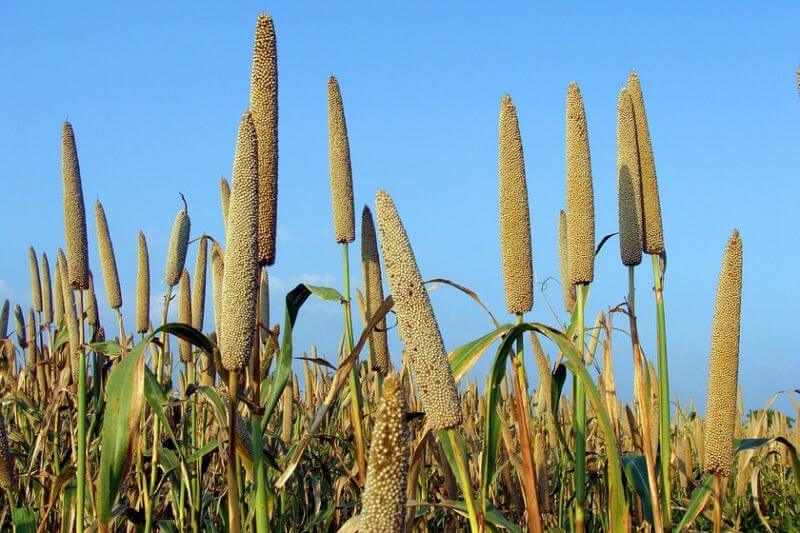
Well, what are millets?
The truth is they are not a new improvement or an invention but they have been around for 10,000 years now.
These are variable-sized small seeds that have the tenacity to be grown in the extreme conditions of weather whereas crops like rice and wheat would require very high maintenance with irrigation facilities available throughout the year for a good yield.
They have a short season and can be easily grown in dry seasons. They are highly grown in the Asian regions and some of the parts in Africa. India happens to be one of the leading producers of it though.
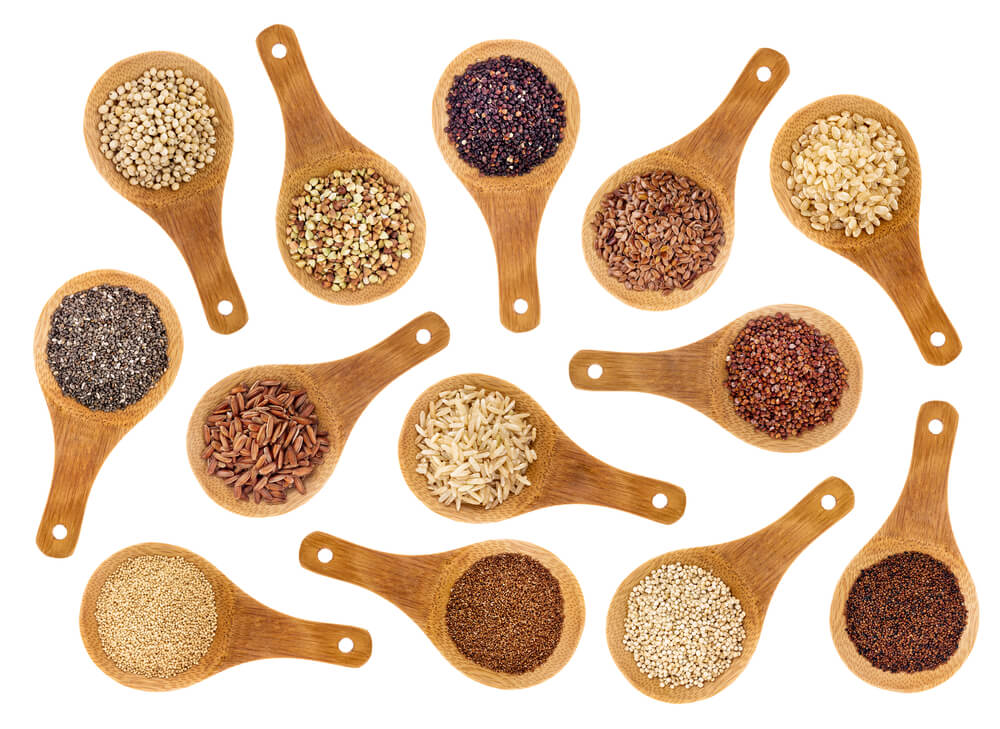
Not just that but you can find varieties among them and some well-known millets are as listed below:
They are broadly classified as major millets and minor millets.
1. Finger millet - Major millet (Ragi or Nachni in North India)
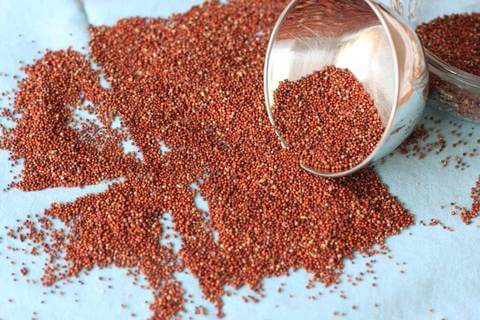
2. Proso millet - Major millet (Baragu in Kannada , Barri in Hindi , Panivaragu in Tamil , Varigulu in Telugu)
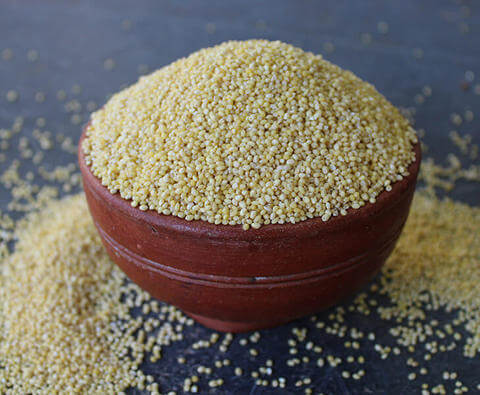
3. Pearl millet - Major millet( (Kambu in Tamil , Sajje/kambu in Kannada, Bajra in Hindi, sajjalu inTelugu)
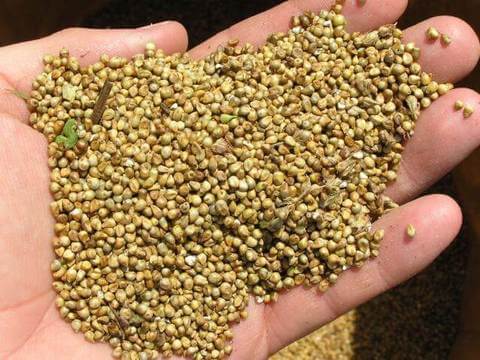
4. Foxtail millet - Major millet (Navane in Kannada , Kangni in Hindi , Thinai in Tamil , Korra in Telugu)
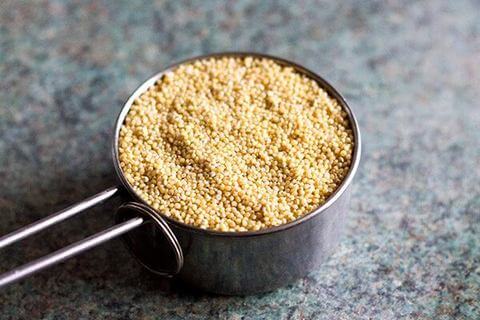
5. Sorghum - Major millet (Juar in Hindi, Jola in Kannada, Cholam in Malayalam)
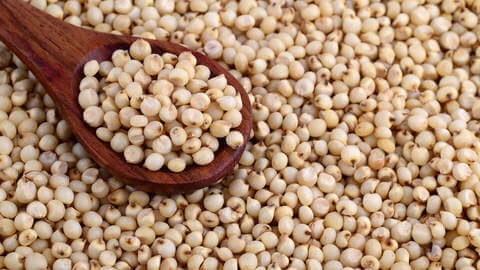
6. Little millet - Minor millet (Same in Kannada , Kutki in Hindi , Samai in Tamil , Sama in Telugu.)
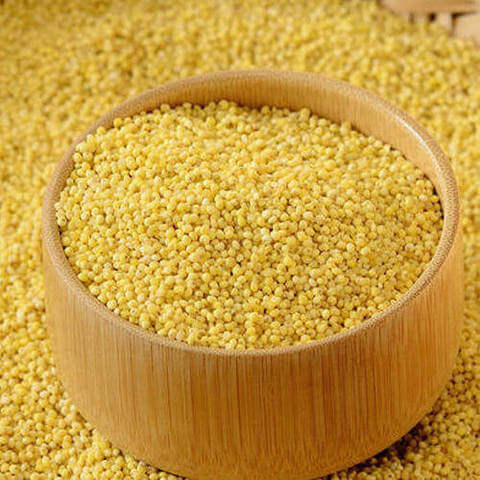
7. Kodo millet - Minor millet ( Varagu in Tamil, Haarka in Kannada and Arikelu in Telugu)
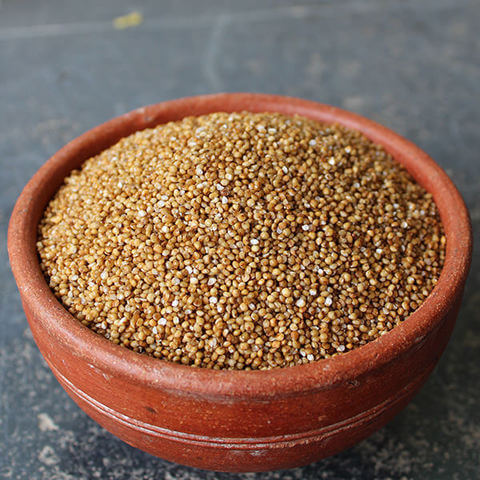
8. Browntop millet - Minor millet (also known as Korle in Karnataka)
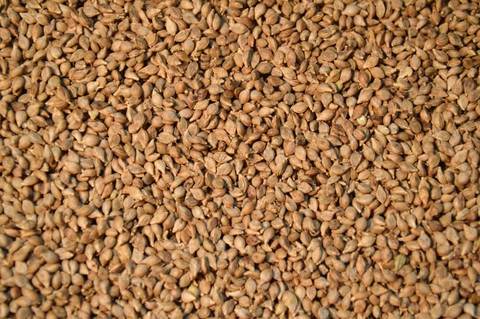
The millets have continuously proven to be highly nutritious, with very low GI (glycemic index), non-gluten, fibrous, and highly affordable in the market. People in many developing nations take millet to be the basic nutrition. They have magnificent levels of starch along with high B-vitamin, calcium, iron, potassium, zinc, magnesium, healthy fats. They are fibrous and high in protein as well which contributes to healthy muscles and tissue development in the body.
Millet's nutritional information:
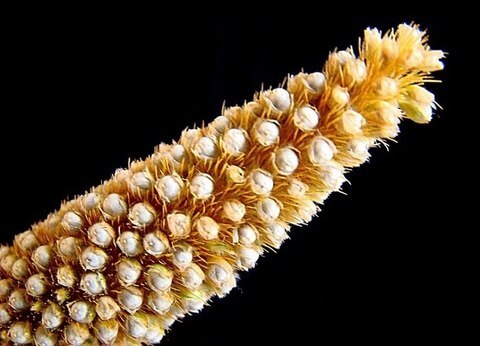
(for 1 cup cooked millet)
- Calories 286
- Carbohydrate (g) 57
- Total fat (g) 2.4
- Cholesterol (mg) 0
- Saturated fat (g) 0.4
- Sodium (mg) 5
- Monounsaturated fat (g) 0.4
- Thiamin (mg) 0.3
- Polyunsaturated fat (g) 1.2
- Niacin (mg) 3.2
- Dietary fiber (g) 3.1
- Magnesium (mg) 106
- Protein (g) 8
- Zinc (mg) 2.2
Benefits of millets:
1. A healty heart

They have a good content of magnesium which aids in several heart-based diseases. They can be really good for people with diabetic heart issues as well as it is shown to reduce the risk of heart attack and blood pressure can be controlled.
2. Rapid recovering of broken body tissues:
Phosphorus contained is one of the major sources for building cells and very importantly the ATP molecules that are responsible for providing energy to the body. Because of this, they are a very good source to people who work out at gym, athletes and to people performing other physical activities as they help to repair tissues. That's not it since they are low in GI (glycemic index) and highly fibrous, they serve as a prominent food for people who want to control their body weight.
3. Lowers the risk of type - 2 diabetes:

Diabetes is a disease that's found in around 29.1 million people or 9.3% of the population has diabetes. Millets are a good source of magnesium which has 300 other enzymes that help in the increasing the efficiency of insulin. A study has shown that a 30% reduction has been seen in diabetic patients after including millet fibers in their diet.
4. Prevents gallstones:
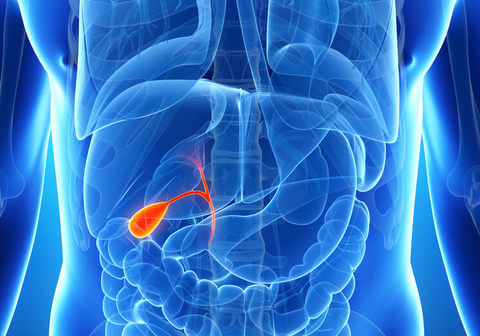
A study of overall fiber intake, which was consumed for a period of around 16 years by over 70,000 women in the Nurses Health Study showed that they had a 13% lower risk of developing gallstones compared to women consuming a non-fibre rich food. So, basically consuming fiber (soluble and insoluble) showed a major difference, and that too specifically insoluble fibers showed a 17% lower risk of developing gallstones.
5. Avoids breast cancer:

The best way to cure cancer in a woman is by consuming 30 grams of millet fiber every day. It has been proven to reduce the risk of breast cancer by almost 50%. So millets would be of utmost importance to a woman where the current year estimates for breast cancer are about 252,710 for the year 2017 i.e everyone in 8 women.
6. Healthy respiratory system:
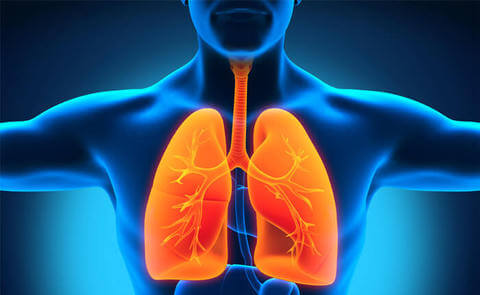
It helps in preventing wheezing and asthma problems in people. It has also controversially shown to be one of the best grains to reduce the existing problems with the respiratory system. They also provide an easy nasal passage and better absorption.
7. Healthy digestion:
As millets are alkaline in nature and highly fibrous, they digest well and releases energy slowly into the bloodstream which in turn keeps blood pressure under control. Millet also eliminates problems like constipation, excess gas, bloating, and cramping. It regulates the digestive process, it makes a better suit for nutrient absorption. Regular digestion and elimination of waste also help to optimize your kidney, liver, and immune system health, as those organ systems is closely related to the body’s metabolic activities.
8. High in protein:
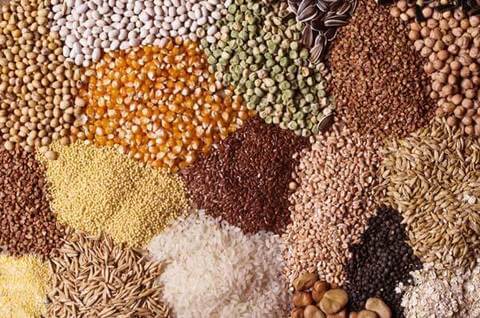
Millets are high in protein which makes it the best diet from for vegetarians. A lot of gym goers who struggle to get protein as they are vegetarians can turn to millets for best quality protein along with slow energy release.
Body detoxification:

Millet works great in removing the toxins and other foreign agents out of the human system by neutralizing enzymatic activity in several organs. Quercetin, curcumin, ellagic acid and many other beneficial catechins help the process of excretions
10. Mood regulation:

Millets are a good source of serotonin, which is a neurotransmitter in the human body. They balance the mood and maintain it that way. Serotonin also aids in bone metabolism, breast milk production, liver regeneration and cell division.
Interesting facts about millets
- Originated 10,000 years ago in Africa specifically in Ethiopia.
- Millet was consumed as a primary food in China.
- It is used as animal fodder, pasture grass and bird seeds in a lot of cities (North America and parts of Europe).
- The majority of millet productions are by India, China, and Nigeria.
- Millet grows in stalks 1 to 10 feet high and ripens in 60 to 90 days. Yes, that's how easy it is.
- Millet ranks 6th in the world for the most important grains list.
- Millets are used in alcoholic beverages (In parts of Taiwan, Romania, Bulgaria, and Nepal).
- India alone produces 10,910,000 tons of millet crop.
- Millets need to be consumed in proper amounts, if taken in excess amounts they can cause goiter.
- Millets have become a buzz word among the food experts and have been immensely been research to create millet breakfast products.
Millet cooking and serving
- Millets can be used as a porridge for breakfast.
- It is extensively used for baby foods as they are not heavy and nutritious.
- Ground millet is used with bread and other bread based foods (sandwich).
- Millet is the best alternative for white rice or potatoes.
- Finger millet (also known as ragi) can be used to make ragi balls which even today is consumed in every village of India.
Millet products
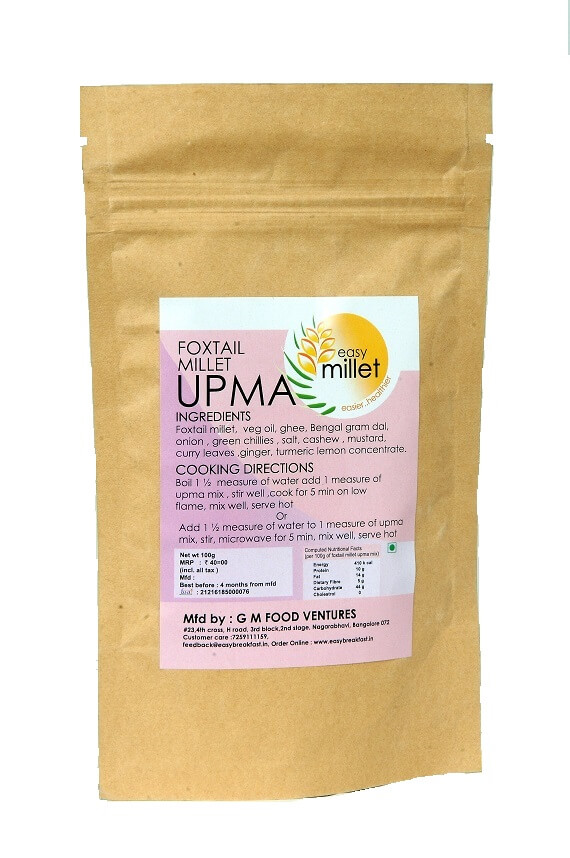
Foxtail Millet Upma
₹ 40
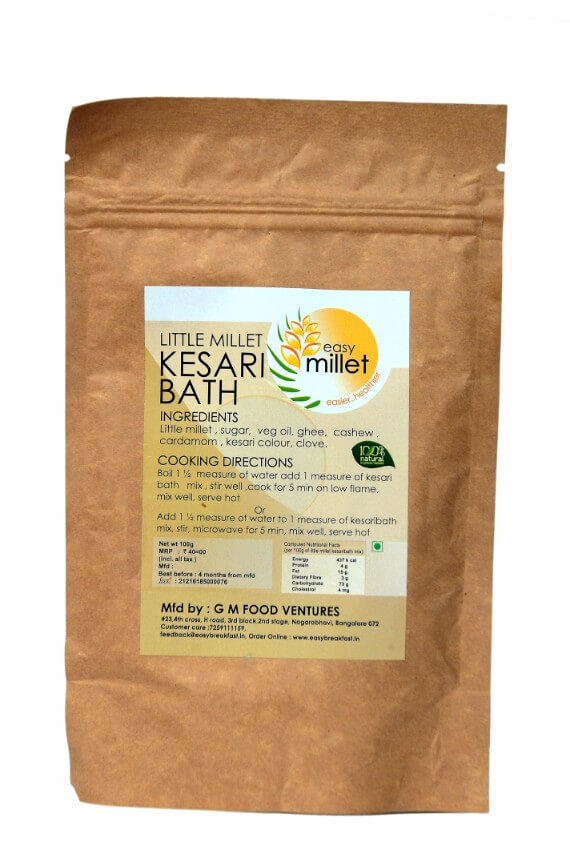
Little Millet Kesaribath
₹ 45
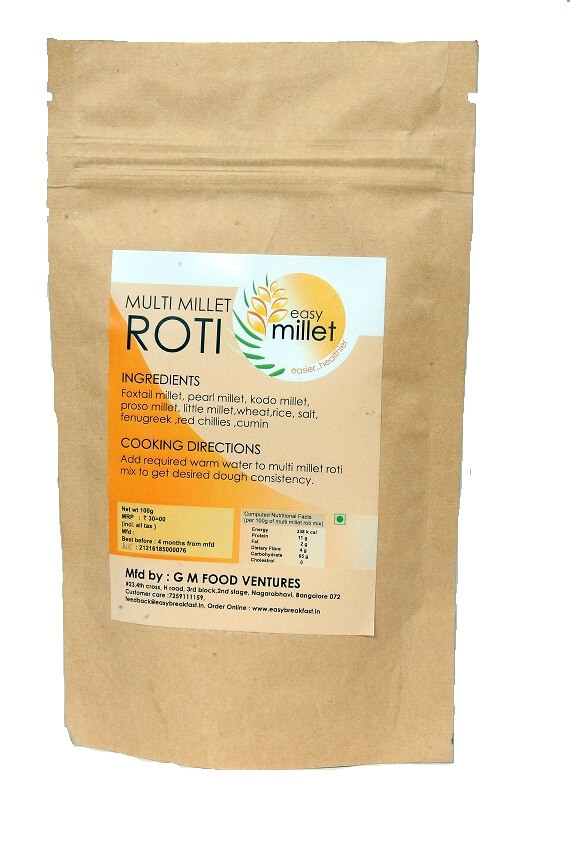
Multi Millet Roti
₹ 35
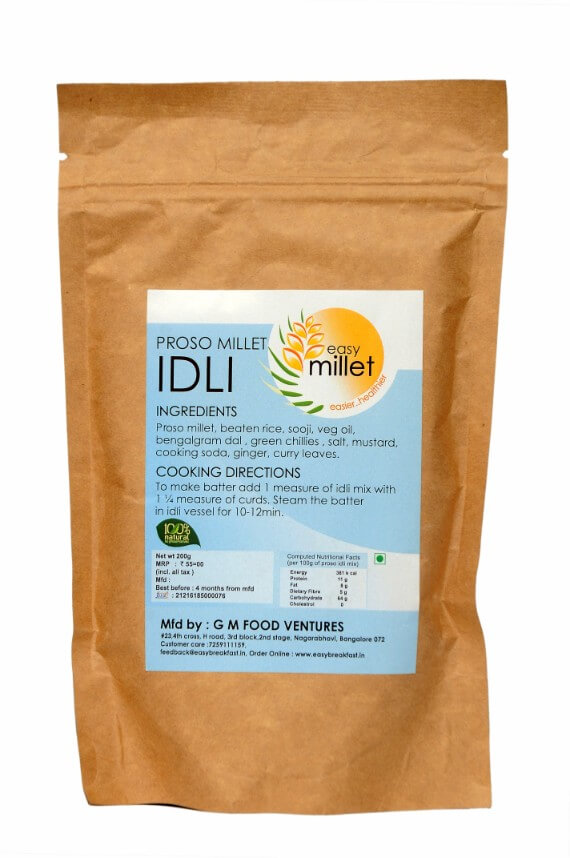
Proso Millet Idli
₹ 30
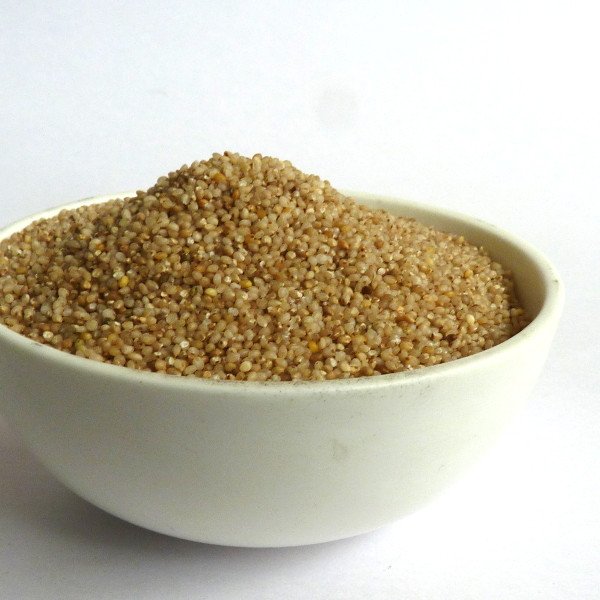
Little Millet (same)
₹ 70
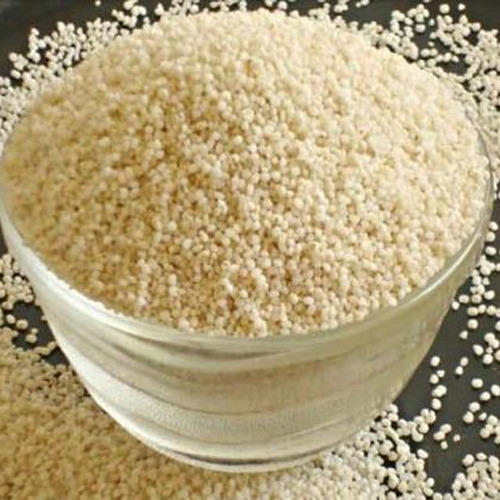
Foxtail Millet (navane)
₹ 50
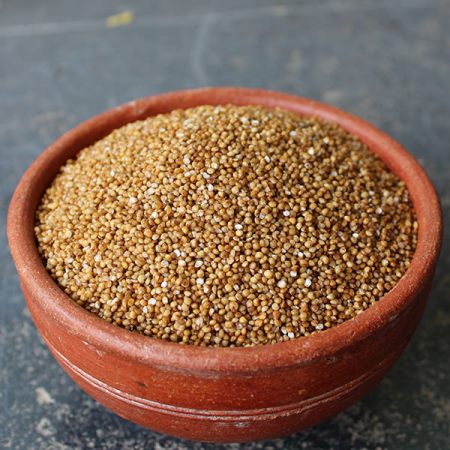
Kodo Millet (harka)
₹ 60
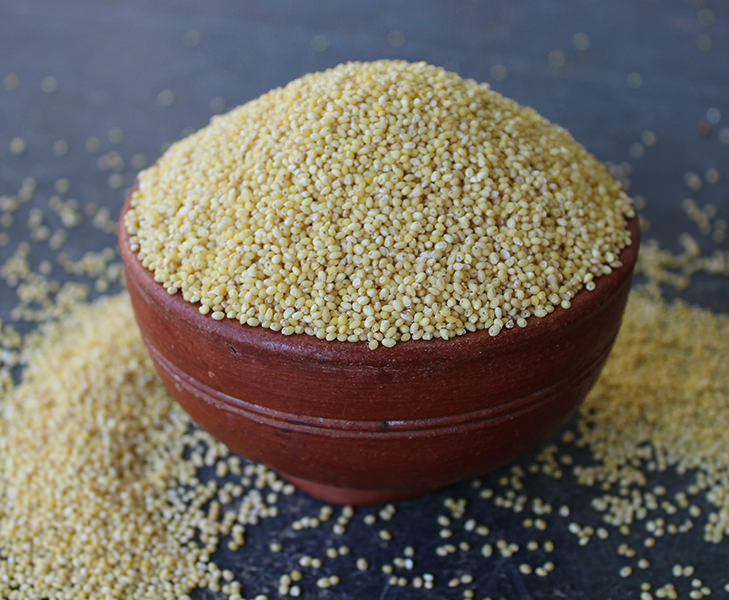
Proso Millet (baragu)
₹ 70